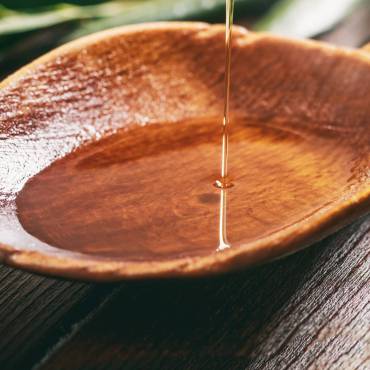
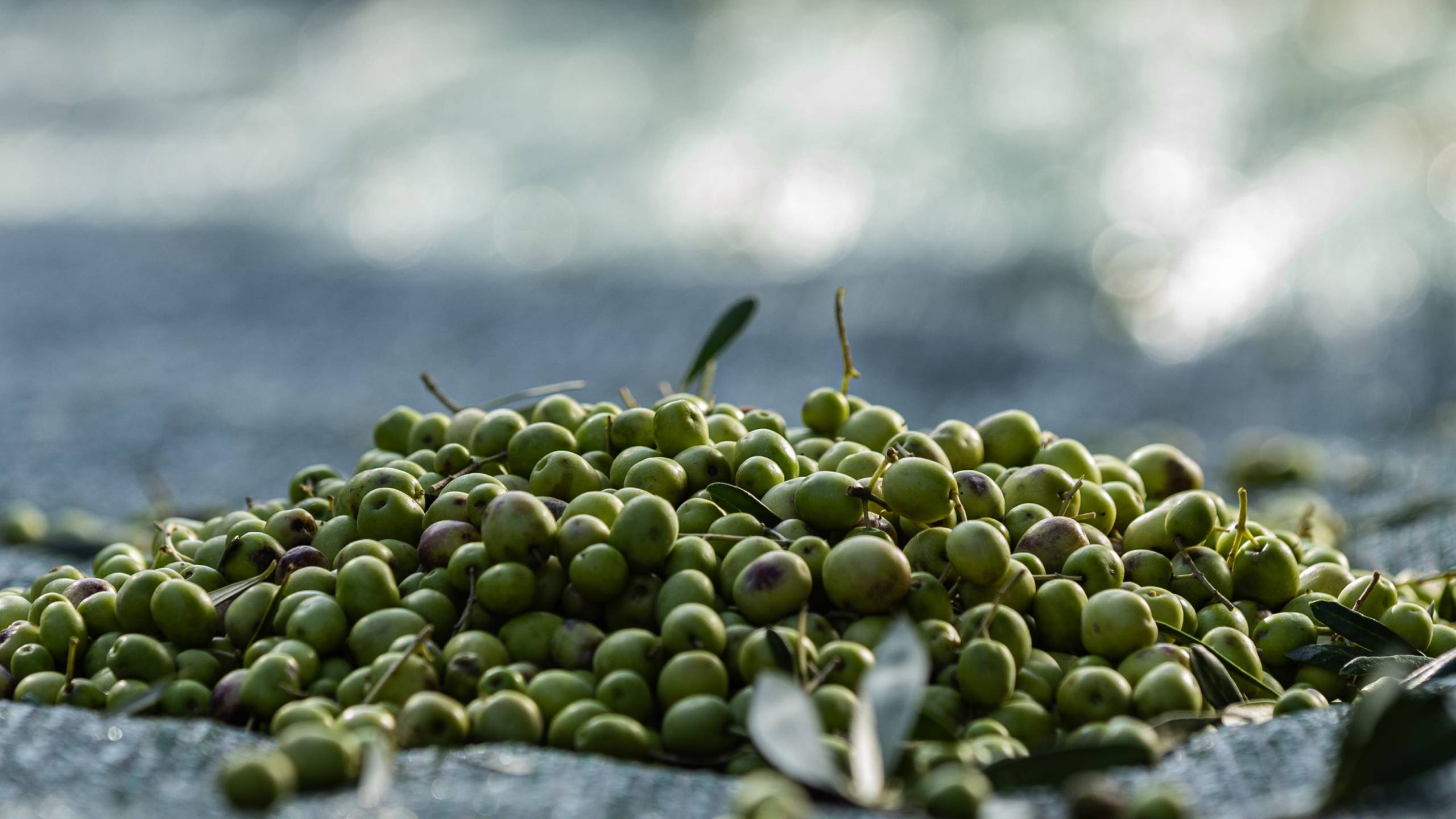
Olive oil has been called a "superfood" so many times that the word has almost lost its meaning. Every other product on the health food shelf claims to be miraculous. So let's do something different: look at what science actually says about extra virgin olive oil, especially high-quality, cold-pressed olive oil, and separate the proven facts from the marketing gimmicks.
The compound that changes everything: Oleocanthal
In 2005, researchers in Philadelphia noticed something unusual: extra virgin olive oil caused similar throat irritation to ibuprofen. They soon identified oleocanthal, a phenolic compound unique to olive oil.
The implications are significant. Oleocanthal blocks the same inflammatory pathways as NSAIDs, but without the side effects on the stomach. That “stinging” feeling you get in the back of your throat when you try Odiva is not a flaw. It’s measurable confirmation that nature’s anti-inflammatories are doing their job.
Heart health: The most researched benefit
The cardiovascular benefits of EVOO oil are the most thoroughly documented in the scientific literature. The famous PREDIMED study, which involved over 7,400 people, showed that a Mediterranean diet supplemented with extra virgin olive oil reduced the risk of serious heart problems by approximately 30% compared to a low-fat diet.
The mechanism is clear: its high monounsaturated fat content reduces the oxidation of LDL cholesterol, a key step in preventing atherosclerosis. Its polyphenols provide additional antioxidant protection that prevents plaque buildup in the arteries.
Polyphenols and cognitive function
Recent research has linked consumption of polyphenol-rich oils to reduced cognitive decline. A 2022 study published in the journal Nutrients suggests that oleocanthal helps clear plaques (protein deposits that build up in the brain) associated with Alzheimer's disease. While research is ongoing, the data is so compelling that neurologists focused on longevity are increasingly recommending high-quality olive oil as part of a brain-protecting protocol.
Digestive health
Extra virgin olive oil is one of the few fats that supports the gut microbiome. The polyphenols in the oil act as prebiotics – feeding the good bacteria while inhibiting the bad ones. It also stimulates bile production and supports natural bowel movements, making it an effective ally against mild constipation without the use of chemicals.
Children and Development: The Truth We Rarely Hear
This is an area where the science is crystal clear: olive oil contains oleic acid, which is the primary fat in breast milk. It is essential for proper nerve fiber development during the first years of life. Clinical guidelines in Mediterranean countries have recommended EVOO as the primary source of fat for children from the very beginning of the introduction of solid foods for decades.
All benefits depend on quality
This is the most important note: almost all of the aforementioned research was conducted with original, high-polyphenol extra virgin olive oil, not the refined or aged oils that dominate the market.
The health benefits are directly proportional to the polyphenol content. Early harvest, cold pressing, vacuum sealing and proper storage in dark glass make the difference between a “cooking oil” and an elixir for the body. At Odiva, quality is the mechanism by which the product fulfills its promises to your health.
Discover the award-winning Montenegrin extra virgin olive oil Buy Odiva