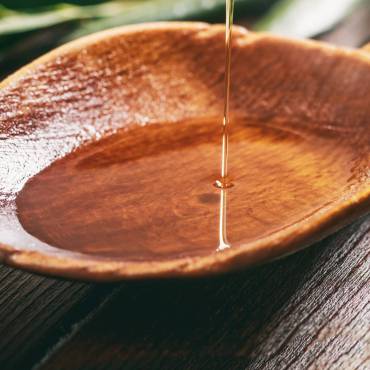
There is a common belief, prevalent in Northern European cuisines, that extra virgin olive oil is too precious to cook with, that heat destroys its properties, and that it should be reserved solely for drizzling over prepared dishes. This is chemically incorrect and, frankly, a great detriment to the flavor of your dishes.
High-quality olive oil has a smoke point between 190°C and 210°C, which is well above typical frying and baking temperatures. Its antioxidants actually help protect other ingredients from oxidation during cooking. The right oil doesn't disappear into the dish, it builds it.
We present to you five recipes designed around olive oil as an active, central ingredient, not just a garnish.
-
Pasta Aglio e Olio (Pasta with garlic and oil)
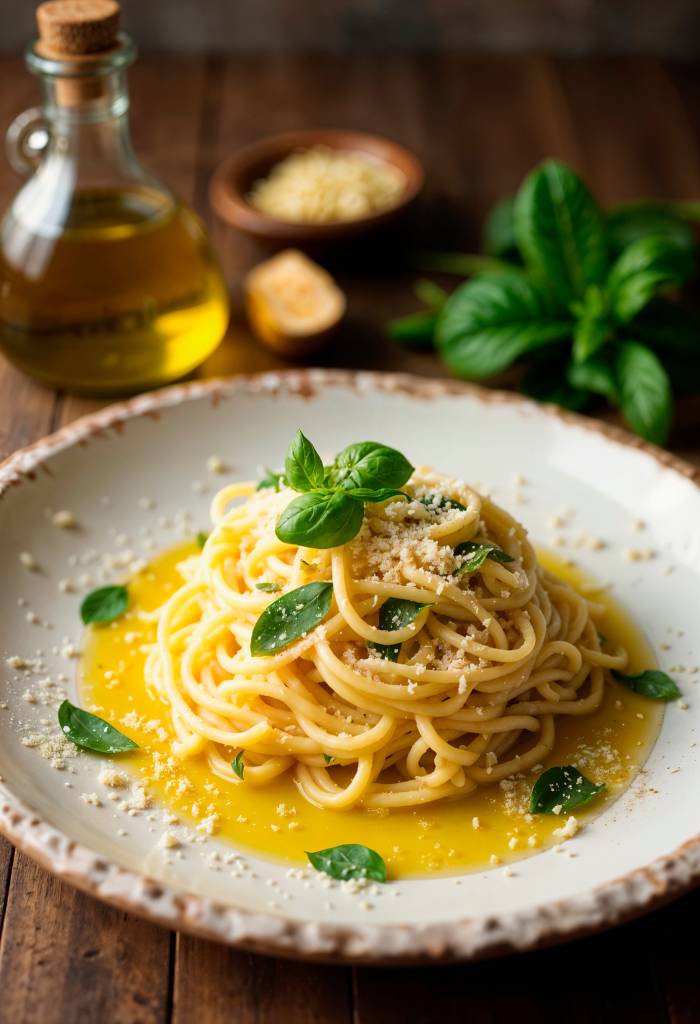
The simplest oil quality test there is. This is a recipe that instantly debunks average oils. Five ingredients. There is no hiding. The oil isn't the background here – it's the sauce.
For 2 people: 400g spaghetti / 6 cloves garlic (thinly sliced) / 80ml quality Odiva / dry crushed hot pepper / 50ml water in which the pasta was cooked / parmesan cheese / sea salt / fresh parsley.
Cook the pasta in well-salted water. Meanwhile, heat the olive oil in a wide skillet over medium-low heat. Add the garlic. Take care, it should turn pale golden, not brown. Just a minute longer and the whole dish becomes bitter in the wrong way. Add paprika. When the pasta is al dente, transfer it directly to the oil, adding a little water in which the pasta was cooked. Stir vigorously over medium heat until the oil emulsifies into a glossy, creamy sauce. Finish with parmesan cheese and serve immediately. The quality of the oil determines everything in this dish. Use your best bottle.
-
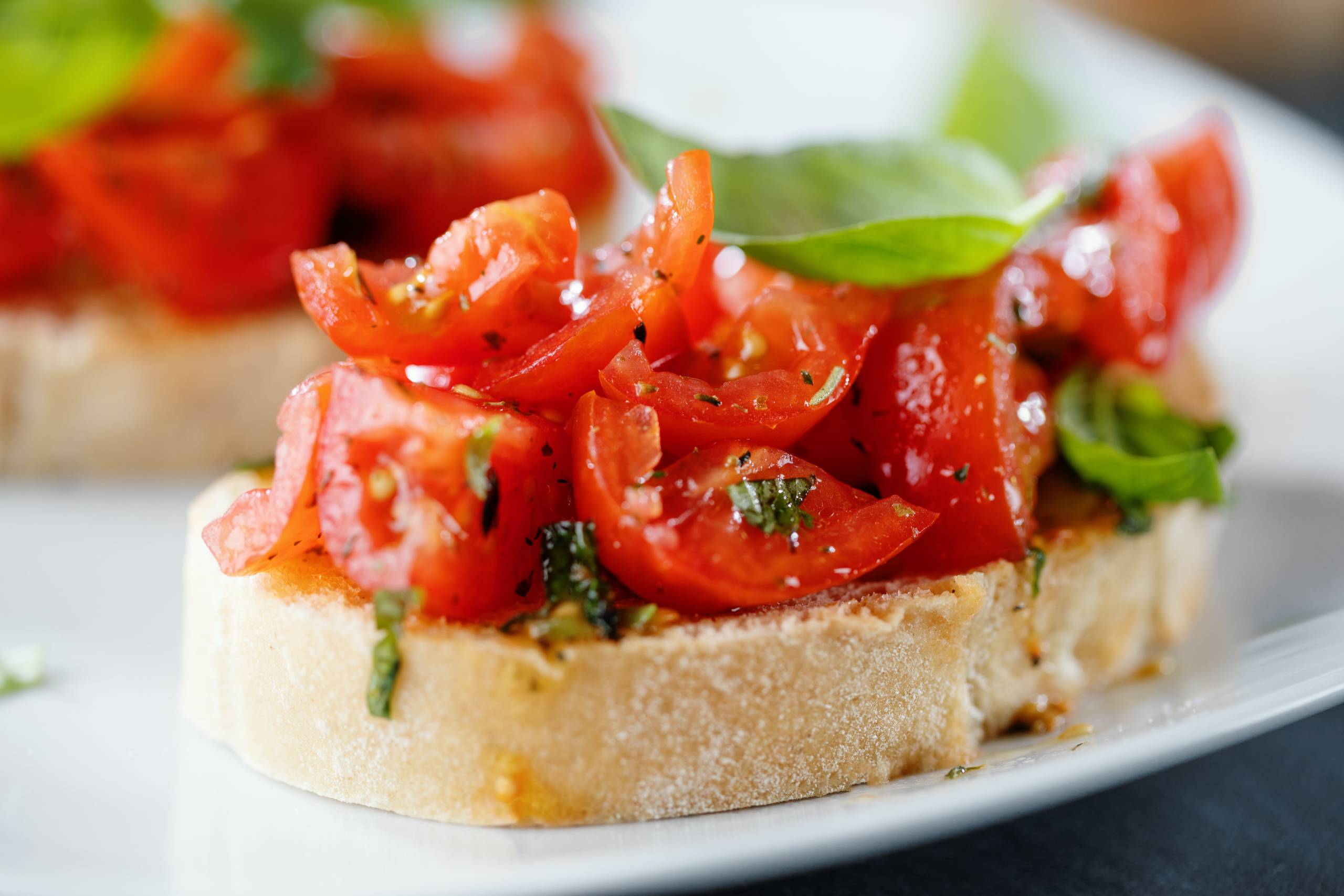
Bruschetta with tomatoes
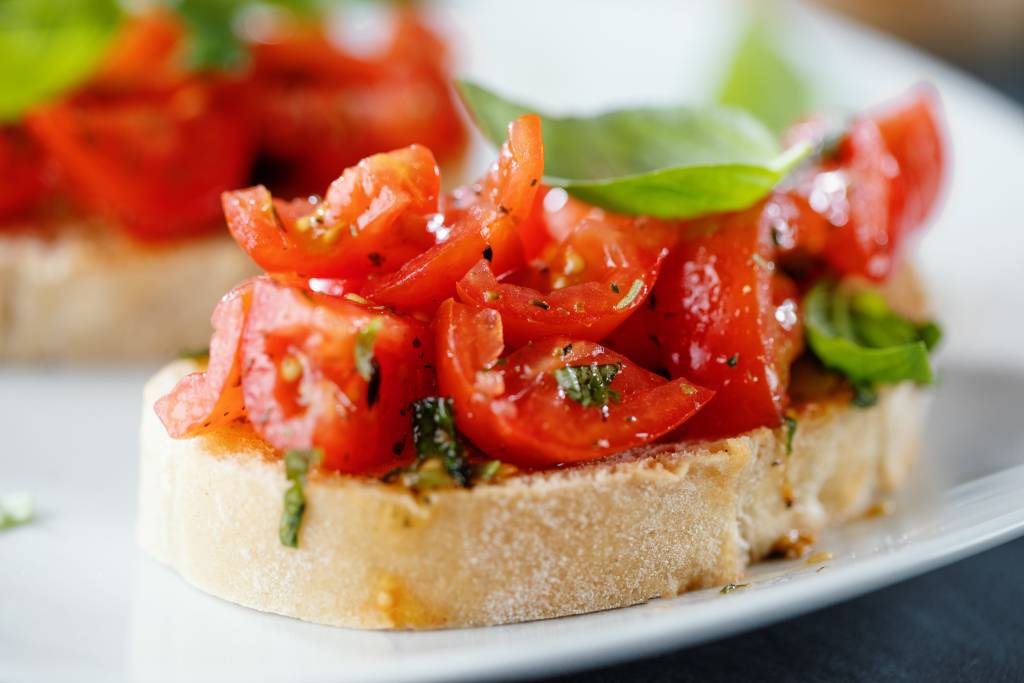
Classic bruschetta is equally a "vehicle" for good tomatoes and top-quality oil. Our version adds that recognizable Adriatic character.
For 4 people: 8 slices of sourdough bread or rustic bread / 500g of ripe tomatoes / 1 clove of garlic / generous amount of Odiva / fresh basil / sea salt / optional: dry oregano.
Grill the bread until it shows visible marks on the rack it was placed on. While still hot, rub each slice with one cut side of garlic. Chop the tomatoes, add salt and leave for five minutes to release the juice. Spread the tomatoes on the bread, then cover with olive oil. Add the basil and, crucially, another drizzle of olive oil just before serving. That second dressing is the moment when the fresh aroma and spicy finish of Odiva come to full expression.
-
Grilled sea bream with olive oil and capers
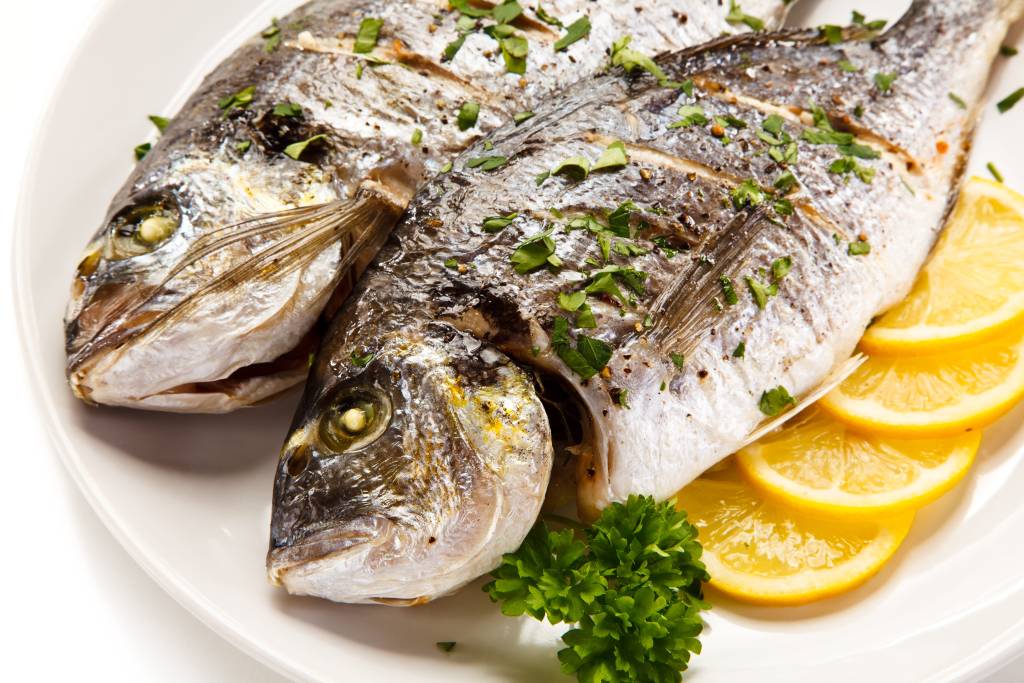
Adriatic summer on a plate. The Montenegrin coast has one of the most beautiful ways of preparing fish: minimal intervention, maximum quality of ingredients.
For 2 people: 2 whole sea bream (cleaned) / 80ml Odive / 2 spoons of salted capers (rinsed) / 1 lemon / 4 cloves of garlic / fresh thyme / sea salt.
Score the fish three times on each side. Put thyme and crushed garlic clove inside. Cook over high heat for 5–6 minutes per side. While the fish is resting, gently heat the Odiva with the rest of the garlic (sliced), capers and a little lemon juice in a small pan for about two minutes. Pour over the fish. The heat of the fish activates the aromas of the oil, while the capers and lemon make the aromas complex.
-
Orange, arugula and olive oil salad
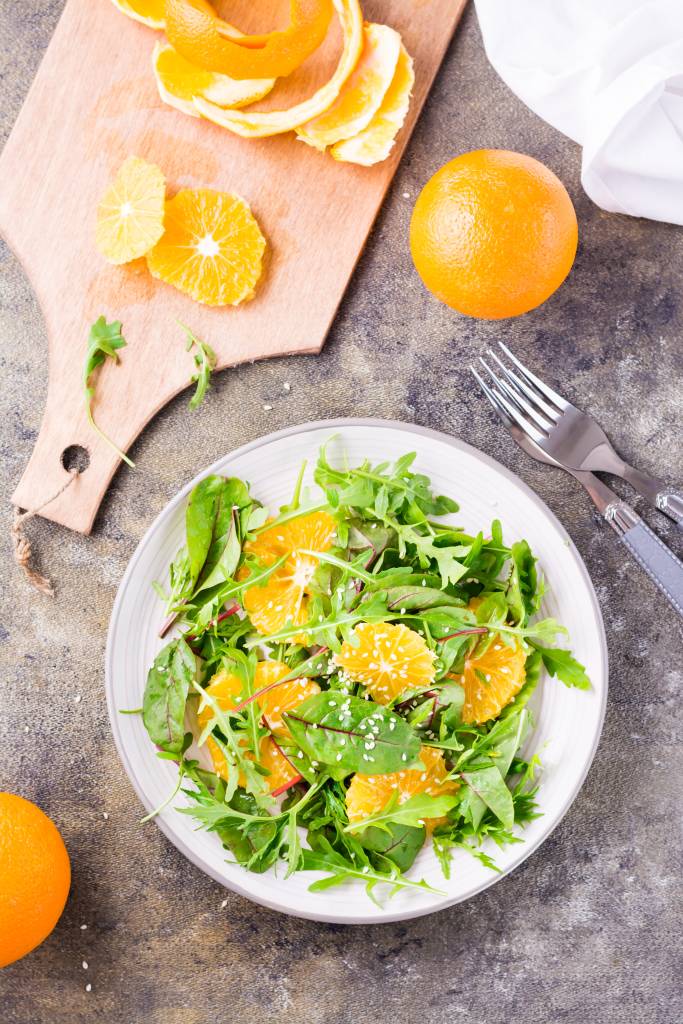
Winter and early spring. Five minutes of preparation. This is the salad that converts people who claim they don't notice olive oil in their food.
For 2 people: 2 large oranges (peeled and cut into rings) / 100g wild arugula / 40g pine nuts (lightly toasted) / coarse sea salt / 50ml quality Odiva / optional: thin rings of red onion.
Arrange the oranges on a plate, sprinkle with the rocket, pine nuts, and onion. Season with coarse salt. Drizzle olive oil slowly and generously just before serving. Do not add vinegar or lemon. The orange provides all the acid needed, and the oil needs no competition. The bitterness of the rocket and the spiciness of the Odiva work against the sweetness of the orange in a way that is almost architectural.
-
Vanilla ice cream with olive oil and sea salt
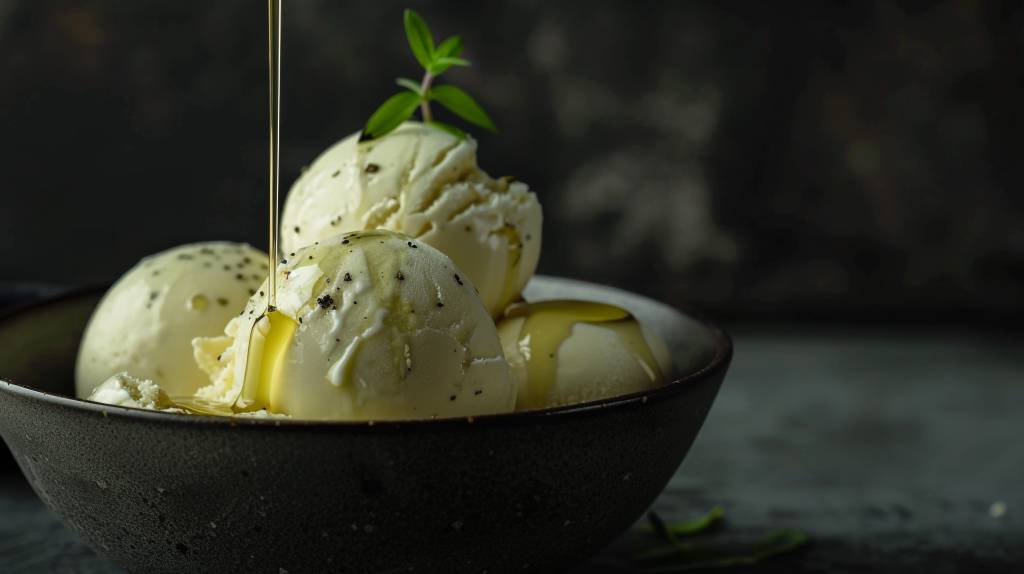
The combination of creamy, cold vanilla, fruity notes of premium oil and large salt crystals creates a perfect balance of sweet, fatty and salty. This is a dish that proves that high-end gastronomy is often hidden in the courage to combine seemingly incompatible elements.
For one person: 2–3 scoops of quality vanilla ice cream (choose the one with real vanilla, less sweet) / 1–2 tablespoons of Odiva extra virgin olive oil / a pinch of coarse sea salt.
Preparation: Place ice cream balls in a pre-chilled bowl. Slowly pour the olive oil directly over the vanilla. You'll notice how the oil slightly curdles on contact with the cool surface, creating an amazing, silky texture. At the very end, sprinkle the top with coarse sea salt. Salt is the key catalyst here, it "unlocks" the hidden aromas of the oil and brings out the depth of the vanilla.
-
Morning ritual – One spoonful on an empty stomach
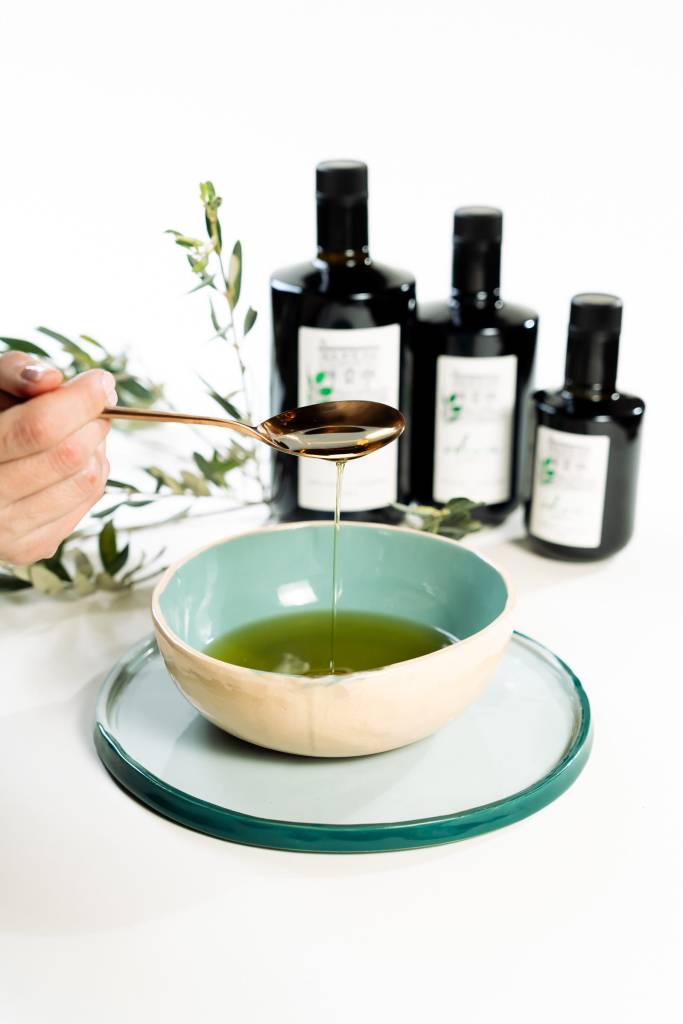
It's not technically a recipe, but it's the most powerful everyday use of olive oil. The tradition is ancient, documented throughout Greek, Italian, and Levantine cultures for centuries. One tablespoon of high-quality extra virgin olive oil, taken in the morning on an empty stomach.
Modern nutritional science supports what ancient cultures knew empirically. On an empty stomach, polyphenols and oleocanthal are absorbed directly into the bloodstream. The effect on gut motility, liver function, and systemic inflammation is measurably different than when the same oil is consumed with food. The key requirement: the oil must be top-notch. That slight stinging sensation in your throat? That's a sign that the compounds are working.
Discover the award-winning Montenegrin extra virgin olive oil Buy Odiva